The easiest way to say you value a city’s creative life is to post about it. The harder, more meaningful version is to show up for the people making it. If you’re wondering how to support local artists, the answer is less about grand gestures and more about steady, real-world participation that helps artists keep working.
That can mean buying a piece for your home, visiting an exhibition on a Saturday afternoon, talking to an artist about their process, or recommending a studio visit to a friend who thinks galleries feel intimidating. Local art scenes grow when people treat them like part of everyday life, not a rare special occasion.
How to support local artists starts with showing up
Artists need visibility almost as much as they need sales. A strong turnout at exhibitions, open studios, pop-ups, and community events creates momentum that reaches far beyond one afternoon. It gives artists feedback, introduces their work to new audiences, and helps galleries and creative spaces keep programming alive.
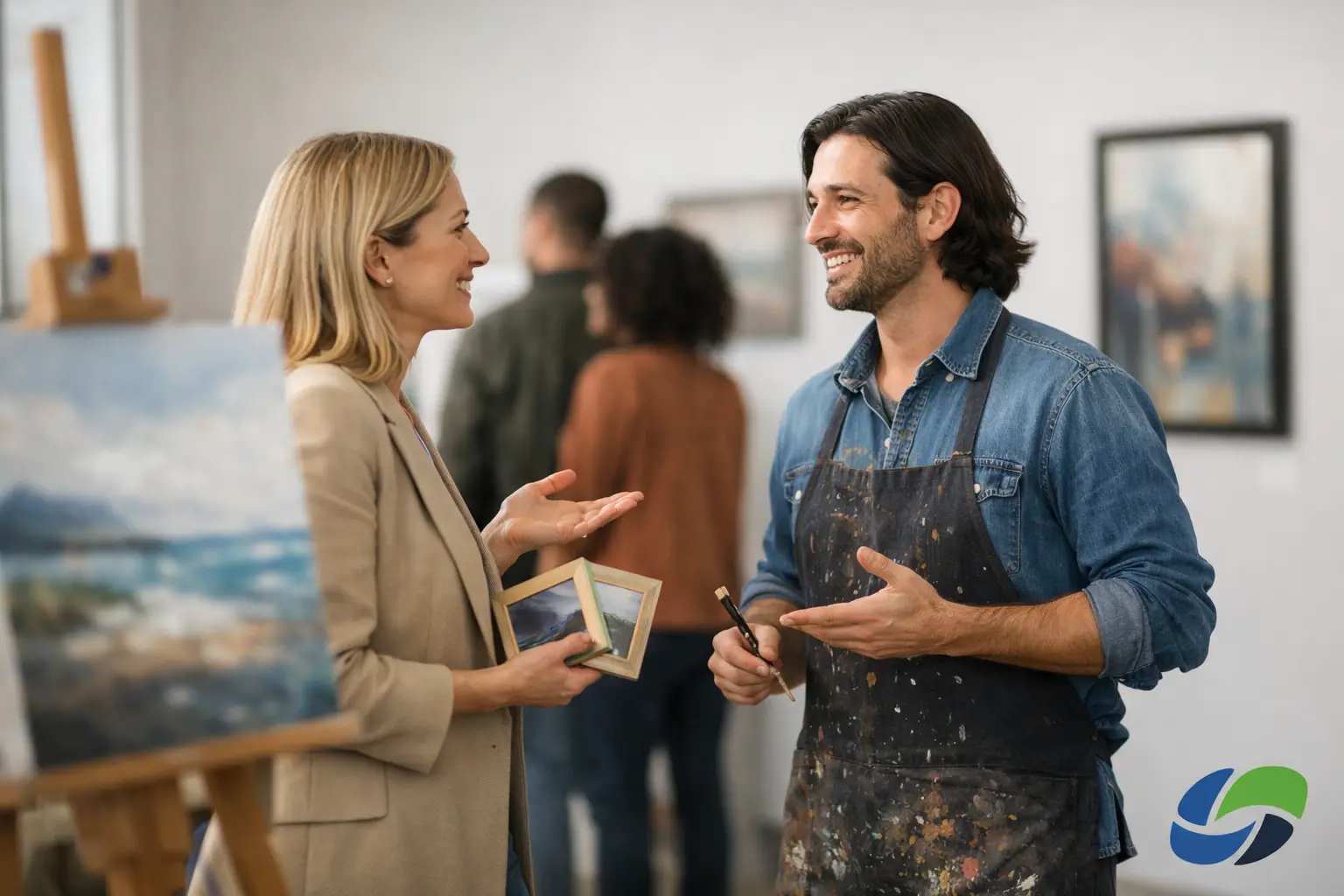
If you live near working studios or a gallery district, make a habit of visiting. You do not need to arrive as a collector with a plan and a budget. You can come with curiosity. Ask questions. Spend time with the work. Pay attention to what stays with you after you leave. That kind of engagement matters because it turns art from something abstract into something personal.
In Houston, for example, open studio events offer a rare kind of access. You can see the work where it is made, meet artists directly, and get a feel for the range of styles and price points available locally. That direct connection often changes how people think about collecting. It feels less formal, more human, and much more approachable.
Buy original work when you can
The most direct answer to how to support local artists is to buy their work. That does not always mean making a major purchase. Original art exists at many price levels, from small works on paper to large statement pieces. For newer buyers, the best move is often to start with the work you genuinely want to live with rather than trying to buy what seems “safe” or impressive.
When you buy from a local artist, your money usually goes much further than it would in a mass-market retail setting. You are helping cover materials, studio rent, framing, transportation, and the time it takes to build a body of work. You are also helping sustain the broader creative ecosystem around that artist, from galleries and studio buildings to fabricators, installers, and event staff.
There is a trade-off, of course. Original art asks for more thought than buying decor off a shelf. It may not match your room perfectly. It may challenge you a little. That is often part of the value. The best pieces tend to bring character into a space, not just coordination.
If a larger work is out of reach, ask about smaller pieces, studies, prints, or works by emerging artists. Many people are surprised by how accessible local collecting can be once they step into the conversation.
Collect with confidence, not intimidation
A lot of potential buyers hold back because they assume they need expert knowledge to make a “good” choice. You do not. You need interest, honesty, and a willingness to ask questions. What inspired the piece? How was it made? Where would it work best? What should you know about care and framing?
A welcoming gallery should make those conversations easy. Spaces that center local artists often do a better job of meeting people where they are, whether they are buying their first piece or adding to a serious collection. That approach matters because it removes the pressure that keeps many people from participating at all.
Share artists’ work in ways that actually help
Social media can be useful, but passive likes are not the same as advocacy. If you want to help an artist online, be specific. Share an upcoming show date. Post a photo from an exhibition and name the artist clearly. Mention why the work stood out to you. Tag the gallery or studio if appropriate. Context makes your support more persuasive and more likely to lead someone else to show up.
Offline sharing matters too. Recommend artists to friends who are decorating a new home or furnishing an office. Think about local artists when your company needs artwork, gifts, event programming, or creative collaborations. Word-of-mouth is still one of the strongest drivers of opportunity.
This is where many supporters can do more. They assume buying is the only meaningful contribution, so if they are not ready to collect, they stay on the sidelines. In reality, thoughtful introductions and consistent visibility can open real doors.
Respect the artist, not just the aesthetic
Supporting local artists is not only about liking the final product. It is about respecting the labor behind it. That means avoiding the habit of asking for deep discounts as if art were interchangeable with retail inventory. It means crediting artists when you share their work. It means recognizing that custom requests, commissions, delivery, and installation all involve time and expertise.
There is nothing wrong with asking about pricing, payment options, or whether a piece is available in a different size. Those are normal parts of the conversation. But support works best when it starts from the understanding that artists are professionals.
The same goes for exposure. Telling an artist that a project will be “great visibility” does not replace fair compensation. Sometimes community-based opportunities with modest budgets can still be worthwhile, especially early in a career. But it depends on the situation, the audience, and what the artist is being asked to provide.
Build local art into your routine
One of the strongest ways to support artists is to make local art part of your regular life. Visit exhibitions every month. Stop by open studios when they happen. Bring out-of-town guests to a neighborhood gallery instead of defaulting to the same restaurant circuit. Suggest an art outing for a date, a weekend plan, or a team event.
This kind of repetition matters because art communities are built on consistency. A packed opening is exciting, but a dependable audience over time is what helps artists and galleries plan ahead, take creative risks, and keep doing the work.
If you have children, bring them along when it makes sense. If you have colleagues who say they “don’t know anything about art,” invite them anyway. The more people experience local art in a relaxed setting, the more likely they are to return on their own.
Why recurring support matters
A one-time purchase is valuable. Repeat engagement is transformative. Artists benefit from relationships that continue over months and years because those relationships create trust, referrals, commissions, and long-term visibility.
That is one reason spaces like Art Machine Gallery matter. When artists are shown in a setting that is active, welcoming, and rooted in a larger studio community, support becomes easier for everyone. Visitors can discover new work, meet artists face-to-face, and return often enough to follow careers as they develop.
Support the ecosystem, not just individual artists
Artists do not work in isolation. They rely on curators, galleries, studio programs, art handlers, framers, writers, educators, and event organizers. When you attend exhibitions, buy from local galleries, and participate in arts programming, you help sustain the infrastructure that keeps artists visible.
This broader view is especially useful if you are deciding where to spend your time and money. Buying directly from an artist can be wonderful. Buying through a local gallery can be just as valuable when that gallery actively promotes artists, hosts events, and invests in the community. It is not an either-or choice. Different models serve different needs.
The same principle applies to businesses and organizations. Offices, restaurants, hotels, and developers that source work from local artists help shape a city’s visual identity while creating meaningful opportunities. Public-facing support signals that local culture has value beyond marketing language.
Let your support be personal
The best support usually begins with a simple question: what kind of connection do you want to have with the creative life of your city? Maybe you want to collect. Maybe you want to learn. Maybe you just want your weekends to feel more interesting and more rooted in place.
Start there. Visit the show. Ask the question. Buy the small piece. Follow the artist whose work you cannot stop thinking about. A local art scene does not grow because people admire it from a distance. It grows when they step inside and take part.
