You can learn a lot about a painting from a gallery wall. You learn something different when you see the brushes, sketches, paint rags, half-finished canvases, and the artist standing a few feet away talking about how the work actually came together. That is what an open studio offers, and if you have ever wondered what is an open studio, the short answer is this: it is a public event where artists open their working spaces so visitors can step inside, see art where it is made, and connect directly with the people making it.
For anyone who loves original art but does not love the usual formality that can come with galleries, open studios feel refreshingly human. They make the creative process visible. They also make art collecting less intimidating, because the conversation starts with curiosity instead of pressure.
What is an open studio, exactly?
An open studio is a scheduled time when an artist, or a group of artists in a shared building or arts district, invites the public into their studio. Visitors can walk through the space, view finished work, ask questions, and often purchase art directly.
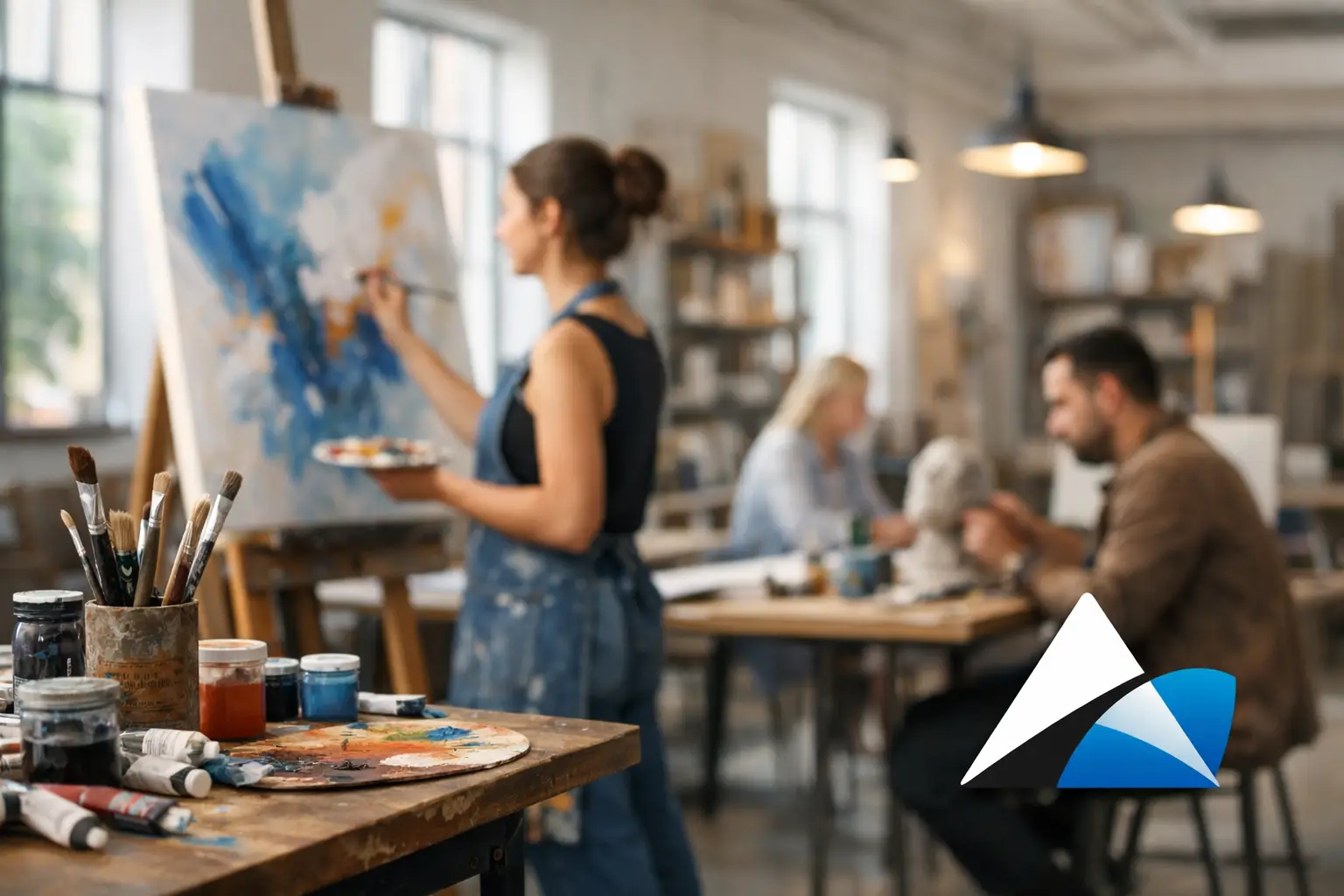
Unlike a traditional exhibition, an open studio is not always polished to perfection. That is part of the appeal. You may see works in progress, materials on the table, notes pinned to the wall, and pieces that are still evolving. The setting is real, not staged, and that gives people a fuller understanding of the work.
In some cases, open studios are hosted by a single artist. In others, they are part of a larger community event with many participating studios open at once. In a creative hub, that means you can move from one space to the next and experience a range of styles, mediums, and personalities in a single visit.
Why open studios matter to art lovers
Seeing art in a studio changes the experience. In a gallery, the focus is usually on the finished object. In a studio, you get context. You begin to understand scale, texture, process, and intention in a more immediate way.
That matters whether you are a serious collector or just figuring out what kind of art you want to live with. A studio visit can answer the questions people do not always ask in a formal setting. How long did this piece take? What inspired this series? Why this material? How would this look in a home or office?
There is also a trust factor. Meeting the artist can make the work feel more personal and more memorable. You are not just buying an object. You are buying into a story, a practice, and a local creative community.
For many visitors, that direct connection is what turns a casual browse into a first art purchase.
What happens at an open studio?
Most open studios are relaxed by design. You arrive during posted hours, walk through the space, look around, and talk if you want to. Some artists are very conversational and happy to discuss process in detail. Others let the work speak first and keep the interaction light unless visitors have questions.
You might find framed paintings ready to hang, works on paper stacked in bins, sculptures on pedestals, prints, small studies, or commissions in progress. Some studios feel almost like mini galleries. Others feel clearly like workspaces, with drying racks, tools, and active projects in view.
That variation is part of what makes open studios interesting. No two artists work the same way, and the studio reflects that. If the event includes many artists, the experience becomes part art walk, part behind-the-scenes access.
Some visitors come to buy. Some come to explore. Some come because they want a more meaningful weekend outing than brunch and errands. All of those reasons fit.
Open studio vs. gallery show
Both formats matter, but they do different jobs.
A gallery show is curated. It presents art in a clean, focused environment designed to highlight finished work. That setting can be powerful because it helps viewers concentrate on composition, theme, and presentation without distraction.
An open studio is more personal and less filtered. It gives you a sense of the artist’s working world. You may see experimentation, revisions, and pieces that would never appear in a formal exhibition. That can make the experience feel more accessible, especially for people who are new to collecting.
Neither format is better across the board. It depends on what you want. If you are looking for a curated exhibition experience, a gallery show may be the better fit. If you want conversation, process, and direct access, an open studio often delivers more of that.
The strongest arts communities offer both.
Why artists host open studios
For artists, open studios are not just social events. They are a practical way to build relationships, share new work, and create visibility.
An open studio allows artists to present their work on their own terms, in the space where it is made. That can lead to stronger conversations with collectors, better understanding from first-time buyers, and valuable exposure among people who may return later for exhibitions or commissions.
It also helps artists become part of a broader local conversation. When studios open regularly, the public starts to see artists not as distant figures but as active members of the community. That kind of visibility supports careers over time.
For emerging artists especially, open studios can be one of the most approachable ways to meet new audiences. For established artists, they offer a chance to deepen existing collector relationships in a more informal setting.
What should you expect as a first-time visitor?
If you have never been to one, the biggest surprise is usually how easy it feels. You do not need expert knowledge. You do not need to know the right terminology. You do not need to be ready to buy.
Show up curious. That is enough.
Wear comfortable shoes if you are visiting multiple studios. Take your time. If something catches your attention, ask about it. Artists are used to talking with people at different levels of experience, and good open studios welcome both serious collectors and casual visitors.
If you are interested in buying, it is completely normal to ask about price, size, medium, or whether the work is available for pickup or delivery. If you are not ready to buy, it is still fine to ask questions and learn.
The only real etiquette is common sense. Be respectful of the space, do not touch artwork unless invited, and remember that this is both a public event and a working studio.
What makes an open studio valuable for buyers?
Buying art in a studio can feel more grounded than buying it in a more formal setting. You get to see the artist’s body of work in context, which helps you understand their range. You may discover smaller pieces, studies, or fresh work that has not yet made it into an exhibition.
There is often more room for genuine conversation too. That can be especially useful if you are choosing art for a specific room, looking for a gift, or trying to understand what kind of work you connect with over time.
Open studios also encourage local buying habits. When you purchase directly from working artists in your community, you support the people shaping the cultural life of your city. That is good for artists, and it is good for the places we live.
In Houston, where studio buildings and arts districts make this kind of access possible on a larger scale, open studios can be one of the best ways to encounter the depth of local talent in a single afternoon.
What is an open studio in a larger arts community?
In a single studio, an open studio is a window into one artist’s practice. In a larger arts community, it becomes something bigger. It turns a building, warehouse, or district into a public-facing creative ecosystem.
That matters because visitors are not only seeing individual artwork. They are seeing how a local art scene functions. They experience painters, sculptors, mixed-media artists, photographers, and makers working side by side. They notice differences in style, pricing, scale, and process. The result is more than shopping and more than sightseeing. It is cultural access.
That is one reason regular open studio events have such staying power. They create repeat visitors, stronger artist-audience relationships, and a more connected creative community overall.
At a place like Art Machine Gallery inside Sawyer Yards, that energy is especially tangible. You can feel the difference when art is not treated as something distant or exclusive, but as something alive, local, and meant to be experienced in person.
If you have been curious about open studios, the best way to understand them is simple: go to one, take your time, and let yourself look a little longer than usual.
