You can learn a lot about an artist from a finished piece on a gallery wall. You learn even more when you see where that work is made, hear the story behind it, and have a real conversation without the usual art-world stiffness. That is the appeal behind how gallery open studios work – they turn art viewing into a direct, human experience.
For visitors, open studios offer a chance to step inside a working creative space rather than only seeing the polished final presentation. For artists, they create visibility, conversation, and often sales. For galleries, they bridge the gap between exhibition programming and community connection. When they are done well, open studios feel less like a formal event and more like an invitation into the local art scene.
What gallery open studios actually are
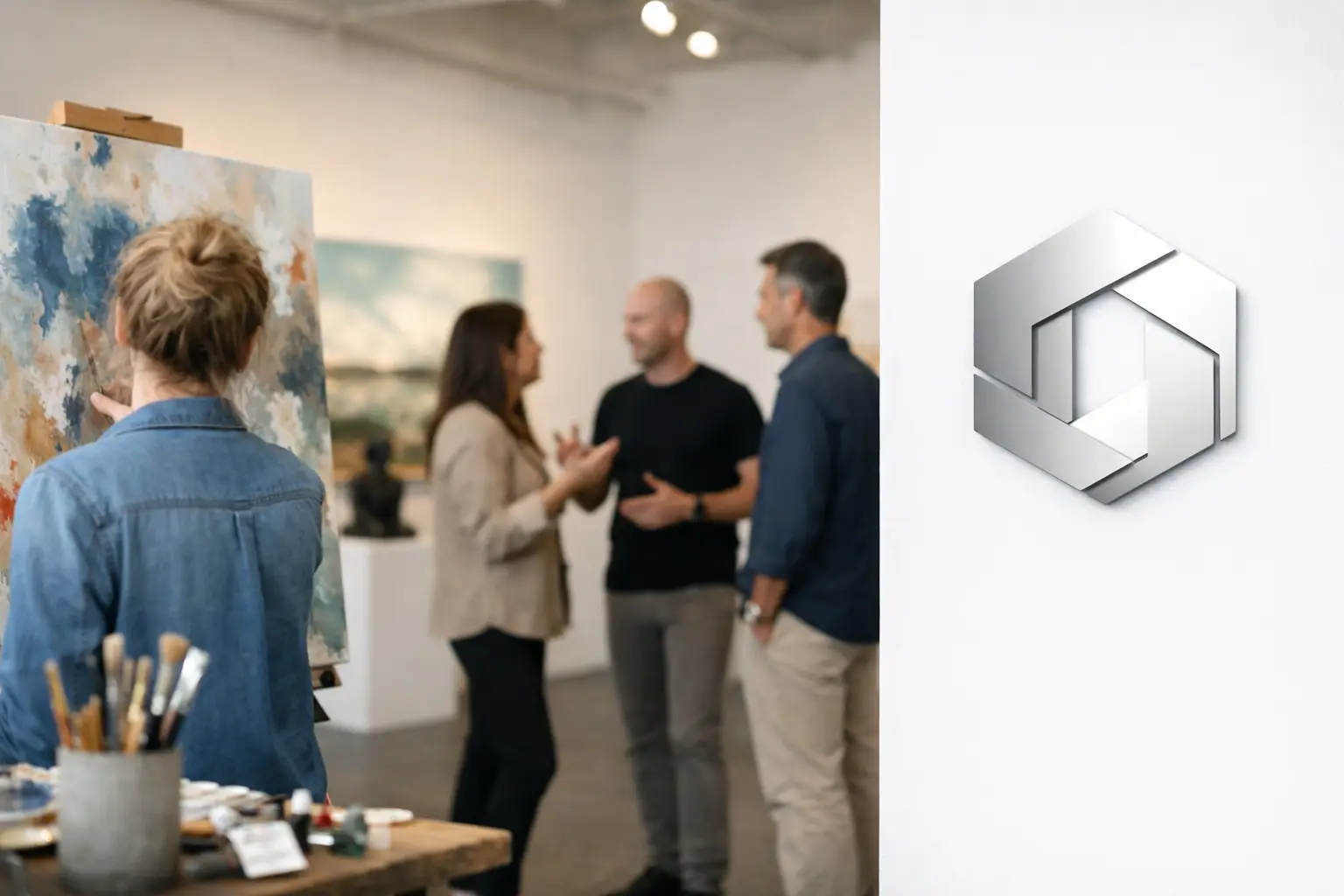
An open studio is a scheduled time when artists welcome the public into their workspace. In a gallery setting, that usually means the event is organized, promoted, and framed by a gallery or studio hub that brings multiple artists together under one roof or within a larger arts campus.
That detail matters. A solo artist can host an open studio on their own, but gallery open studios usually offer a more guided experience. Visitors may be able to browse several studios, view a curated exhibition nearby, ask questions, and purchase work in a setting that feels active but approachable. There is structure behind the scenes, even when the atmosphere feels casual.
In places with a strong creative community, open studios often happen on a regular schedule. That consistency helps people build the habit of coming back. It also gives artists recurring exposure instead of relying only on occasional opening nights or annual events.
How gallery open studios work behind the scenes
If you have ever walked into an open studio and thought it felt easy, that usually means someone planned it well. Galleries and studio centers handle far more than simply opening the doors.
First, there is coordination with artists. Not every artist works the same way, and not every studio is visitor-ready every day. Some artists want to show finished work, while others are comfortable sharing pieces in progress, sketchbooks, materials, or demonstrations. A good gallery helps set expectations so visitors get a cohesive experience without forcing artists into a one-size-fits-all presentation.
Then there is curation, even in a casual setting. That does not always mean selecting which paintings go on a wall. It can mean deciding how visitors move through the space, which artists are participating, how the event connects to current exhibitions, and what kind of energy the day should have. The best open studios feel natural, but they are rarely accidental.
Promotion also plays a big role. Open studios work best when people know what they are walking into. Is it family-friendly? Is it focused on collecting? Is there a featured exhibition as well? Is it a broad studio crawl or a more intimate event? Clear communication helps bring in the right audience, including serious buyers and people who are just beginning to explore original art.
Finally, there is the practical side. Staff may help with check-in, sales processing, signage, artist support, and visitor flow. In a busy arts district, open studios can bring in a lot of foot traffic. That energy is great, but only if the experience still feels welcoming rather than chaotic.
How gallery open studios work for visitors
From a visitor’s perspective, the format is refreshingly simple. You arrive during posted hours, move through the studios or gallery spaces that are open, and spend time with the work at your own pace. There is usually no pressure to buy and no expectation that you already know how to talk about art.
That last part is one reason open studios are so effective. Traditional gallery settings can feel intimidating to people who are new to collecting. Open studios soften that barrier. You are not just looking at price tags or labels. You are seeing process, personality, and context.
You might meet an artist while they are still working, or you may hear why a certain body of work shifted in color, scale, or material. You may notice the tools, references, and experiments that never make it into an exhibition statement. Those details can completely change how a piece lands with you.
Visitors also get more freedom in how they engage. Some people want to ask technical questions. Others want to browse quietly and respond on instinct. Both approaches fit. A good open studio welcomes curiosity without making anyone feel tested.
Why buyers often prefer open studios
Collectors and first-time buyers alike often find open studios easier than formal openings. The setting makes conversation more natural, and that tends to lead to stronger confidence when purchasing work.
When you meet the artist, see their process, and understand how the piece came together, buying original art feels less abstract. You are not just choosing something that matches a wall. You are connecting to the person and practice behind it. That connection can matter as much as style or size.
There is also a practical benefit. Open studios can give buyers access to a broader range of work than what is currently hanging in a curated exhibition. You may see smaller studies, older works, works in progress, or pieces that fit a different budget. That makes the experience more accessible, especially for newer collectors who want an entry point into original art.
Of course, there is a trade-off. Open studios are not always as polished as a formal show. Lighting may vary. Work may be stacked, drying, or still being framed. But for many buyers, that is part of the appeal. The environment feels honest.
What artists gain from the format
For artists, open studios create a different kind of visibility than a traditional exhibition. Instead of presenting only the finished result, they get to share their working world. That can build trust fast.
It also creates room for a broader story. An artist can talk about technique, inspiration, scale, materials, or where a current series is heading next. Visitors who might walk past a single piece in a white-wall gallery often stay longer when they can engage with the artist directly.
Sales are part of the picture, but not the whole picture. Open studios can lead to commissions, future collectors, word-of-mouth referrals, social connections, and invitations to other opportunities. Sometimes the most valuable outcome is not an immediate sale but a relationship that grows over time.
That said, open studios are not effortless for artists. They require preparation, presence, and emotional energy. Some artists love the public-facing side of the job. Others find it draining. A strong gallery or studio community helps make the experience manageable and worthwhile.
The role of the gallery in making open studios successful
A gallery does more than provide walls. In an open studio model, it acts as host, connector, and quality signal all at once.
That matters because visitors want freedom, but they also want confidence. They want to know the artists are worth their time, the work is presented professionally, and the environment is welcoming. A gallery helps create that trust. It gives structure to discovery.
In a studio hub with regular public hours, the gallery can also anchor the experience. A curated exhibition offers one point of entry, while open studios expand the experience into something more personal and immersive. That combination works especially well for people who want both artistic credibility and an approachable atmosphere.
At Art Machine Gallery, this kind of model makes particular sense because it reflects how many people actually want to experience local art – up close, in conversation, and without pretense.
What to expect when you attend
If you have never gone to an open studio, keep your expectations simple. Expect to walk, look, ask questions, and discover work you would not have found online. Expect some studios to feel highly polished and others to feel more raw. That range is normal.
You do not need expert vocabulary. If a piece catches your attention, say so. If you are curious about process, ask. If you are considering a purchase, it is completely fine to talk about price, delivery, scale, or whether the artist has similar work available.
You should also give yourself time. Open studios reward slow looking. The best moments are often not the first thing you see when you walk in, but the conversation or detail you notice after staying a little longer.
For weekend visitors, collectors, decorators, and anyone wanting a stronger connection to local culture, that is really the point. Open studios make art feel lived-in rather than distant.
The best way to understand them is still the simplest one – show up, stay curious, and let the work meet you where you are.
