A piece of art can change the temperature of a room. It can make a clean-lined living room feel lived in, give an office a point of view, or turn an ordinary hallway into a conversation. If you are wondering where to buy art in Houston, start with places where the work has a real connection to the city and the people making it.
Houston has no shortage of visual energy. The challenge is not finding art. It is finding work that feels like yours, at a price and in a setting that make the experience enjoyable rather than intimidating. From working artist studios to curated galleries and neighborhood art events, the best places to buy are usually the ones that let you look closely, ask questions, and build a direct relationship with the work.
Buy Art Where You Can Meet the Artist
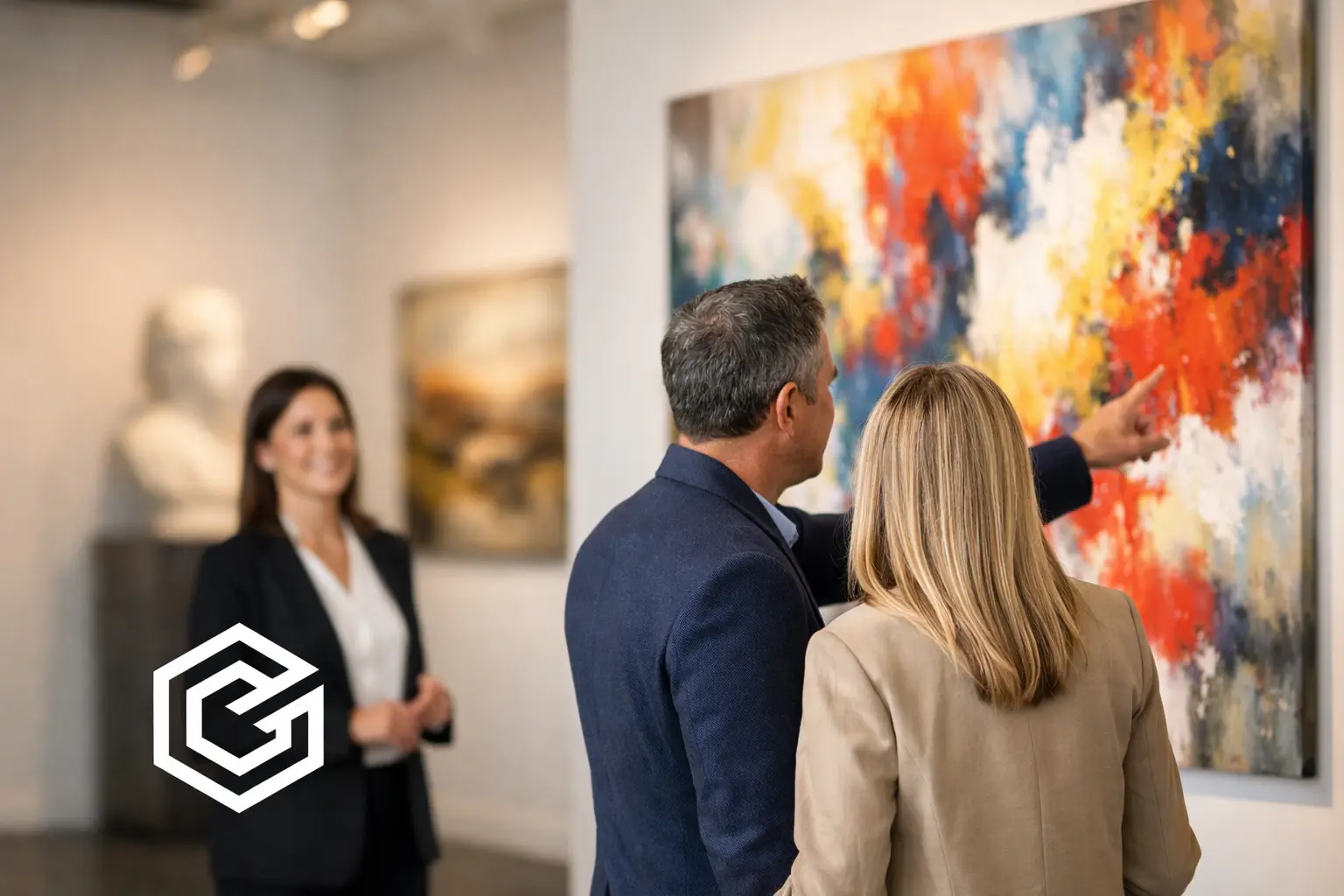
Seeing original art in person is different from scrolling through images on a screen. You notice surface, scale, color shifts, and the small marks that tell you how a piece was made. Just as important, you can meet the artist or gallery team and hear the story behind the work.
Houston’s studio districts are especially valuable for this reason. A visit puts you near artists at work, not just finished pieces on a white wall. That access helps first-time buyers feel more comfortable asking practical questions: Is this painting framed? How should it be lit? Can a ceramic piece live outdoors? Is there another work in a similar palette?
At open studio events, the experience is even more personal. You may see a work in progress, meet the person who created the piece, and understand the choices behind its materials or subject. For collectors, that connection can become part of the artwork’s meaning. For newer buyers, it removes much of the mystery around buying original art.
Where to Buy Art in Houston for Original Local Work
For a broad look at Houston talent, spend time in gallery-and-studio environments rather than treating art buying as a single errand. Sawyer Yards is one of the city’s strongest starting points, with a major concentration of working artists across multiple buildings. It rewards curiosity. Walk through studios, notice which work keeps drawing you back, and make a note of artists whose perspectives stay with you.
A curated gallery within that setting can offer a useful next step. Art Machine Gallery brings together original work by Houston-area artists while keeping the experience welcoming for curious visitors and serious collectors alike. Its exhibitions and Saturday open studios create an easy way to encounter different styles, meet artists, and see how much range exists within the local scene.
Commercial galleries elsewhere in the city can also be a good fit, particularly if you already collect a specific medium or want help locating more established artists. Their programming is often tightly curated, which can make comparison easier. The trade-off is that you may see a narrower selection and a more formal buying environment. That is not a bad thing if you want expert guidance, but it is worth balancing with visits to studios, where discovery tends to be more open-ended.
Art fairs, nonprofit exhibitions, university shows, and neighborhood markets can introduce you to emerging talent. These events are ideal for learning what is being made right now and finding accessible entry points for a collection. Still, do not buy just because a price feels like a bargain or a booth feels busy. Give yourself permission to walk away, think about a piece, and return if it continues to call to you.
Start With the Feeling, Then Check the Details
You do not need an art history degree or a perfectly planned wall to begin collecting. Start with a simpler question: what do you want to feel when you see this piece every day? Maybe you want bold color after years of neutral decor. Maybe you are drawn to a landscape that reminds you of Texas, an abstract painting with movement, a photograph that captures an overlooked corner of the city, or a sculptural work that makes a room feel less expected.
Once a piece gives you that immediate pull, move to the practical details. Measure the wall, including the space above furniture. Take photos of the room in natural and evening light. Ask about dimensions, framing, materials, care, and installation. A work that is 30 inches wide may feel substantial in a studio and surprisingly delicate above a large sofa. Conversely, a small painting can have enormous presence when it is thoughtfully placed.
Color deserves a little patience. Art does not have to match every pillow or paint swatch. Often, the best piece introduces a color that wakes up the room. What matters is whether it belongs with the overall mood of your space. If possible, ask to view several works together, then notice which one still feels compelling after you have looked at the others.
Set a Budget That Leaves Room for Discovery
Original art exists at more price points than many people expect. Prints, works on paper, small paintings, ceramics, and photographs can offer an approachable place to start, while larger paintings and one-of-a-kind sculptural pieces may represent a longer-term investment. The right budget depends on your priorities, the artist’s career stage, the medium, and the scale of the work.
Avoid treating price as a simple measure of quality. A lower-priced piece by an emerging artist can be deeply accomplished. A higher price may reflect the labor involved, material costs, demand, size, framing, or the artist’s experience and exhibition record. Instead of asking whether a work is expensive in the abstract, ask whether it feels meaningful to you and whether the price fits comfortably within your plan.
If you are buying your first original piece, consider choosing one work you truly love instead of several items that merely fill blank space. Living with a single strong piece teaches you what you respond to. Your collection can grow from there, room by room and artist by artist.
Questions That Make Buying Easier
Good galleries and artists expect questions. They want a work to go to a home where it will be appreciated and properly cared for. Ask whether the piece is original or part of an edition, whether it comes with a certificate of authenticity, and how it should be cleaned or protected. If you are buying a print, ask about the edition size and printing process. If you are considering a painting, ask whether the sides are finished, whether it needs a frame, and what hardware is appropriate.
It is also reasonable to ask about delivery, pickup, and installation. Large work can create logistical decisions that are easier to solve before purchase. A gallery may be able to recommend a method based on the artwork’s size, weight, and medium. For a first-time buyer, this kind of support is often the difference between an intimidating transaction and an exciting one.
Finally, ask yourself one honest question before you commit: would you still want to see this piece after the novelty wears off? The art you keep loving is rarely the piece that checked the most decor boxes. It is the work that reveals something new with time.
Make a Day of Looking, Not Just Buying
The most rewarding way to buy local art is to give yourself time. Visit exhibitions, attend open studios, talk with artists, and return to work that stays on your mind. Bring a friend with a different eye, but trust your own response. Art is personal, and a collection becomes more interesting when it reflects genuine curiosity rather than someone else’s rules.
Houston’s creative community is full of artists making work with skill, humor, memory, urgency, and imagination. The next piece you bring home can do more than complete a wall. It can keep you connected to the city and the people shaping its culture every day.
