A lot of people fall in love with a piece of art before they ever think of themselves as collectors. It happens in a gallery, during an open studio visit, or in the middle of a conversation with an artist whose work sticks with you long after you leave. That is where contemporary art collecting often begins – not with a grand strategy, but with a real response.
That matters because the best collections usually do not start with prestige. They start with attention. You notice what pulls you in, what challenges you, what changes the feeling of a room, or what says something true about the place and time you live in. For many buyers, especially those new to the process, that is a better foundation than trying to buy what seems fashionable.
What contemporary art collecting really means
Contemporary art collecting is simply the practice of buying and living with art made in our current era. That can include painting, sculpture, photography, mixed media, works on paper, textile-based pieces, and work that resists easy labels. The point is not that everything looks one way. The point is that the work is in active conversation with the present.
That makes contemporary collecting especially exciting. You are not only acquiring an object. You are supporting working artists, responding to current ideas, and building a relationship with art that belongs to your own moment. There is also more range than many people expect. Contemporary work can be bold and conceptual, quiet and lyrical, playful, political, highly crafted, or deeply personal.
For new collectors, the phrase itself can sound more exclusive than the reality. In practice, collecting contemporary art can be very approachable when you enter through the right door: a local gallery, an artist studio, a neighborhood arts district, or a space where questions are welcome.
How to start contemporary art collecting without overthinking it
If you are new to buying art, the biggest hurdle is often not budget. It is hesitation. People worry they do not know enough, that they will choose the wrong piece, or that everyone else understands some hidden set of rules. Most of the time, there is no hidden rulebook. There is just a process of looking carefully and learning what matters to you.
Start by seeing as much work in person as you can. Screens flatten scale, texture, and presence. A painting that feels modest online might command a room in person. A photograph that looks straightforward on a phone might reveal incredible detail up close. The more work you see, the more quickly your eye develops.
It also helps to pay attention to patterns in your own reactions. Are you drawn to abstraction or portraiture? Clean compositions or layered surfaces? Small works that invite close looking or large pieces that shape a whole space? You do not need a perfectly defined taste before buying, but you should notice what keeps calling you back.
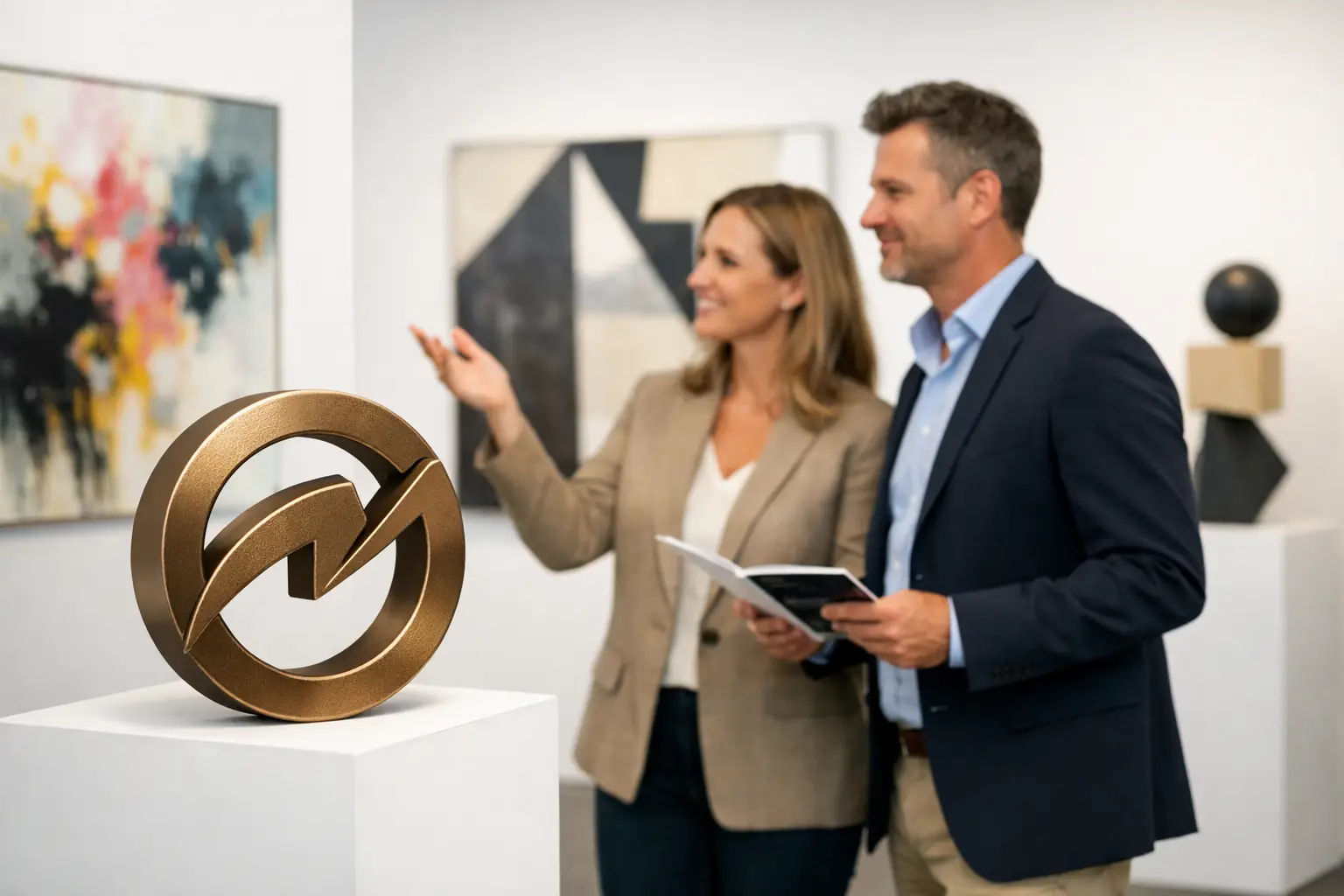
Then ask questions. A good gallery experience should not make you feel tested. Ask about the artist, the materials, the framing, the installation needs, and what inspired the work. Ask how the piece has been cared for and whether there are similar works available if one feels almost right but not quite. Curiosity is part of the process, not proof that you are inexperienced.
Buy what you want to live with
This sounds obvious, but it gets lost quickly once people start reading too much market advice. If you are building a personal collection rather than a speculative portfolio, your first responsibility is to your own connection with the work. You are the one who will wake up with it, walk past it every day, and keep finding new meaning in it over time.
That does not mean value is irrelevant. Original art has real worth, and part of collecting responsibly is understanding what you are buying. But emotional connection and informed buying are not opposites. The strongest purchases often have both.
A useful question is this: would you still want this piece if nobody else ever commented on it? If the answer is yes, you are getting closer to the right reasons. Another good question is whether the work still feels compelling after you have stepped away and returned to it. Immediate excitement is great. Lasting interest is better.
Budget matters, but so does context
One of the biggest myths around contemporary art collecting is that it is only for major spenders. In reality, original art exists at many price points. Size, medium, framing, the artist’s career stage, and the complexity of the work all affect price. A small original work on paper may be far more attainable than people assume, while a large-scale painting by a more established artist will naturally sit at a different level.
The key is to set a budget that feels comfortable and then stay open within it. If you enter the process assuming that only the biggest piece on the wall counts, you may miss extraordinary work. Smaller pieces can be just as significant and often easier to place in a home or office.
Context matters too. Buying directly through a trusted gallery or from a studio setting often gives you richer information about the artist and the work. You are not just comparing numbers. You are understanding where the piece fits within an artist’s practice, how it was made, and why it carries the value it does.
Why local artists make great collections stronger
There is something especially meaningful about collecting artists who live and work in your own city. You get to follow their development in real time, see their work evolve across exhibitions, and feel connected to the cultural life around you. That kind of collecting has a personal energy that cannot be manufactured.
For Houston-area buyers, this is one of the most rewarding parts of collecting local contemporary art. You can meet artists, visit working studios, and return to see new work without crossing the country or relying on an art fair calendar. You get proximity, conversation, and a stronger sense of place.
That local connection also gives a collection character. Instead of looking like it was assembled from trend forecasts, it reflects actual relationships and lived experiences. It says something about the community you belong to and the creative voices you chose to support within it. At Art Machine Gallery, that direct connection between Houston artists and collectors is part of what makes the experience feel so immediate and welcoming.
What to look for beyond first impressions
A strong first impression matters, but it should not be the only thing guiding a purchase. Spend time with the work. Look at the composition, material choices, craftsmanship, and the way the piece holds your attention. Notice whether the idea behind the work feels fully realized or whether it relies too heavily on a quick visual effect.
This is where trade-offs come in. Sometimes a piece is visually beautiful but feels familiar in a way that may not hold your interest for long. Sometimes a work is more challenging at first, yet becomes more rewarding the longer you sit with it. Neither response is automatically better. It depends on what you want from the piece and how you live with art.
You should also think practically. Where will it go? Does it need special lighting, installation, or conservation? Is the framing archival? If you are buying sculpture, do you have a secure place for it? These questions do not make collecting less romantic. They make it sustainable.
Building a collection over time
The best collections usually have rhythm rather than rush. They grow through repeated looking, changing taste, and a willingness to let your interests become more specific. You may begin with one painting you simply love and later realize you are drawn to artists who use strong material texture, or to works that explore memory, architecture, landscape, or identity.
That gradual development is a strength. You do not need your collection to look perfectly unified from day one. In fact, a collection with some evolution often feels more alive. It shows a real person behind the choices.
Keep records as you buy. Save the artist’s name, title, medium, dimensions, purchase date, and any accompanying documentation. That helps with insurance, resale if needed, and your own understanding of how your collection is taking shape. It also honors the seriousness of the artists’ work.
Most of all, stay engaged. Go back to exhibitions. Visit open studios. Have conversations. A collection becomes richer when it grows out of ongoing participation, not one-time transactions.
Contemporary art collecting does not ask you to arrive as an expert. It asks you to look closely, trust your response, and keep showing up for the artists and spaces that make that response possible.
